The Science Behind Noise Cancelling: How It Works
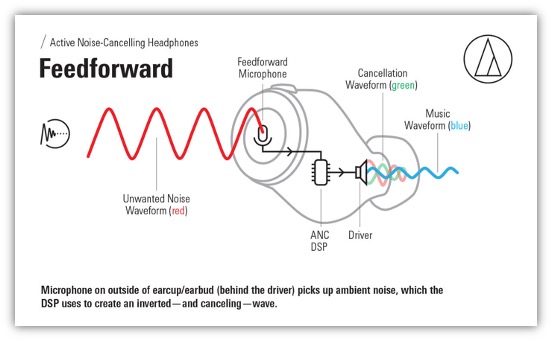
Noise cancelling technology leverages the principles of sound wave interference to reduce unwanted ambient sounds. At the core of this technology is the concept of phase cancellation, which occurs when two sound waves of the same frequency and amplitude are out of sync. Active noise cancelling headphones use microphones to pick up external noises and then generate sound waves that are exactly opposite in phase. When these 'anti-noise' waves meet the incoming sound waves, they effectively cancel each other out, resulting in a significant reduction of background noise.
Moreover, noise cancelling systems can be categorized into two types: active noise cancelling and passive noise isolation. Active noise cancelling relies on electronic circuitry to produce the opposite sound waves, while passive noise isolation involves physical barriers that block sound waves from reaching the ear. Effective noise cancelling devices often combine both techniques to provide a more immersive listening experience. As a result, users can enjoy their audio content with fewer distractions, making these devices especially popular among travelers and professionals alike.
Counter Strike is a popular first-person shooter game that focuses on team-based gameplay, emphasizing strategy and skill. Whether you're a beginner or an experienced player, understanding weapon mechanics and map layouts can greatly improve your performance. For gamers looking to enhance their auditory experience, finding the right gear is crucial. Check out the Top 10 Earbuds for Small Ears to find the perfect fit for long gaming sessions.
Top 5 Benefits of Using Noise Cancelling Headphones
Noise cancelling headphones have become a popular choice for individuals seeking a more immersive audio experience. One of the top benefits of using these headphones is the ability to reduce unwanted ambient sounds. This can be particularly advantageous for those who work in noisy environments or travel frequently. With active noise cancelling technology, these headphones use microphones to pick up surrounding sounds and counteract them with opposite sound waves, effectively creating a quieter atmosphere for the listener.
Another significant advantage is improved focus and productivity. Studies show that background noise can be distracting, leading to decreased efficiency. By utilizing noise cancelling headphones, users can create a personal sound space, allowing them to concentrate better on tasks such as studying, reading, or coding. Additionally, many noise cancelling models offer features like ambient sound mode, which allows users to still be aware of their surroundings while enjoying their music or podcasts. This feature adds to the versatility of these headphones, making them suitable for both leisure and work.
Is Noise Cancelling Right for You? Key Considerations Before Buying
When considering whether noise cancelling technology is right for you, it's essential to assess your primary needs and environment. For individuals who travel frequently, such as commuters or those who fly often, noise cancelling headphones can significantly enhance the listening experience by reducing background noise from engines and bustling crowds. However, if you primarily use headphones in quiet settings, you might find traditional models more cost-effective. Before buying, think about where and how you’ll use the headphones most, as well as whether you prefer active or passive noise cancellation methods.
In addition to usability, it's crucial to consider comfort and sound quality. Many users overlook the fit of the headphones, which can greatly impact long-term use. Look for options with adjustable features or ear cushions that suit your preferences. Additionally, test the sound quality: some noise cancelling headphones may compromise audio fidelity in exchange for noise reduction. Reading reviews and testing them in-store can provide valuable insights. Finally, if you're budget-conscious, compare various brands and models to ensure you’re making a well-informed decision that won’t break the bank.