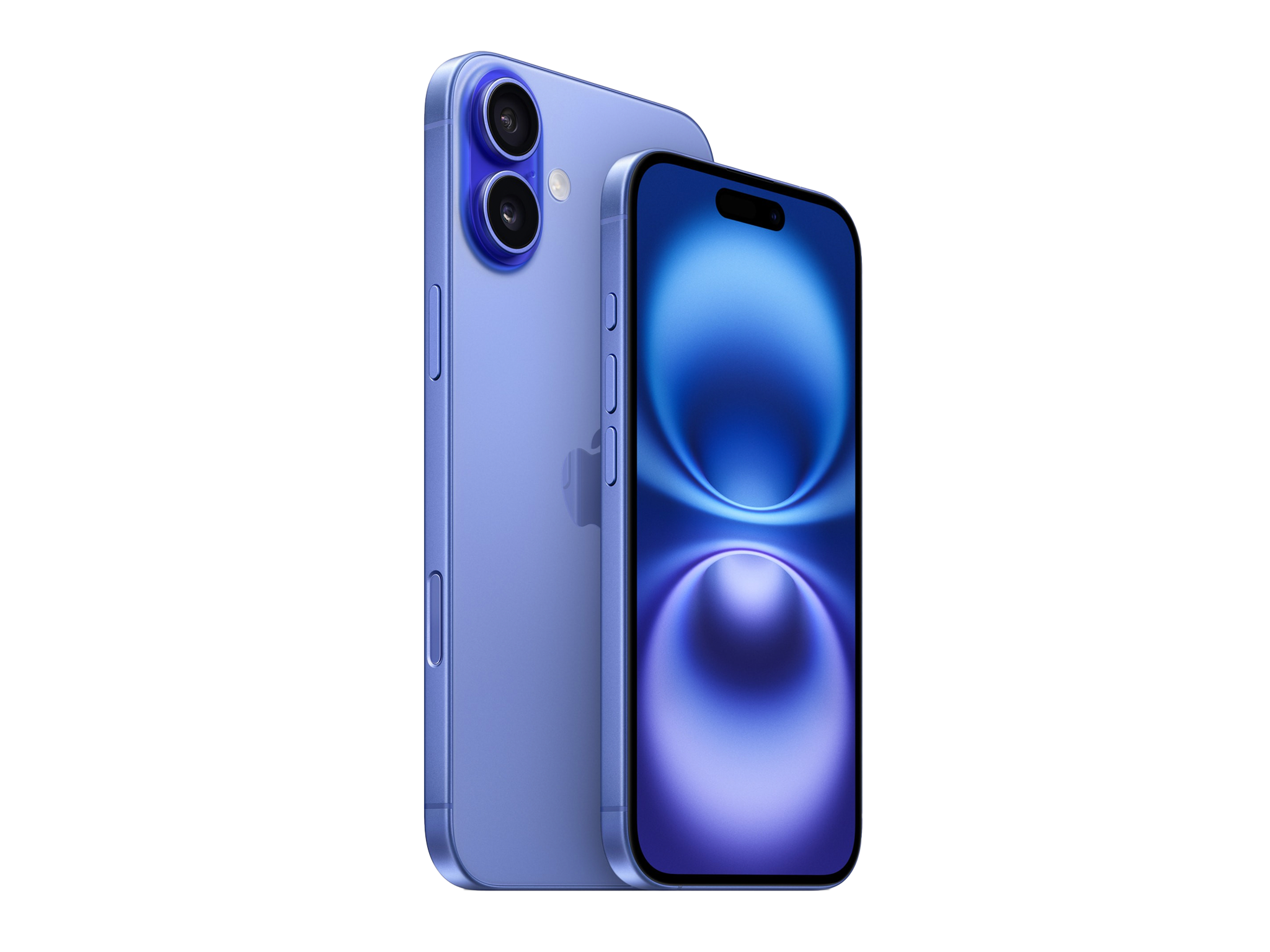
How Smartphones Revolutionized Communication: A Deep Dive
The advent of smartphones has fundamentally transformed the way we communicate in today's digital age. Initially, communication was restricted to voice calls and texts, but smartphones have opened up a plethora of options that promote real-time interaction. With apps like WhatsApp, Facebook Messenger, and Instagram, users can now connect instantly with friends and family across the globe. This shift has not only made communication more accessible but has also fostered a sense of global community, erasing geographical barriers.
Moreover, smartphones have revolutionized communication by integrating multimedia capabilities. Users can share not just text, but also images, videos, and voice notes, making conversations richer and more engaging. According to recent studies, visual content increases the retention of information, which is evident in how people now prefer to express themselves through photos and videos over traditional text. This evolution of communication methods facilitates a deeper level of connection and understanding, showcasing just how much smartphones have shaped our interactions.
Counter-Strike is a highly popular first-person shooter game that emphasizes teamwork and strategic gameplay. Players can choose to be part of either the terrorist or counter-terrorist team, with each side having specific objectives to complete. For those interested in expanding their gaming experience beyond the screen, check out the Top 10 Camera Grips for iPhone 17, which can enhance mobile gaming or photography. With its competitive scene and active community, Counter-Strike continues to be a staple in the esports world.
The Evolution of Smartphone Technology: From Simple Devices to Powerful Computers
The evolution of smartphone technology has been nothing short of remarkable, transforming from basic devices designed solely for voice communication to powerful computers that fit in the palm of our hands. In the early 2000s, smartphones like the Nokia 7110 and the BlackBerry 850 focused on features such as email access and rudimentary web browsing. As consumer demand for more functionality grew, manufacturers began to incorporate advanced features, leading to the launch of Apple's iPhone in 2007. This device revolutionized the market by introducing a touch interface and a robust app ecosystem, paving the way for the modern smartphone era.
Today, smartphones are equipped with cutting-edge technologies that rival traditional desktop computers in terms of processing power and capabilities. This includes features like multi-core processors, high-resolution displays, and advanced artificial intelligence. With capabilities such as high-quality photography, augmented reality applications, and seamless connectivity, smartphones have become indispensable tools in daily life. Looking ahead, it is clear that as technology continues to advance, smartphones will likely evolve further, potentially integrating new features such as foldable screens and even more sophisticated AI, solidifying their role as essential devices in our increasingly digital world.
Are Smartphones Changing Our Personalities? Exploring the Psychological Impact
The rise of smartphones has undoubtedly transformed the way we communicate and interact with one another. As we become increasingly reliant on these devices, questions arise about whether smartphones are changing our personalities. With constant access to social media, messaging apps, and news feeds, our psychological impact is profound. Research shows that the use of smartphones can lead to changes in social behavior, including reduced face-to-face interactions and an increased dependency on virtual connections. This shift not only alters our personal relationships but also affects how we perceive ourselves and others in the real world.
Moreover, the information overload that comes with smartphone usage can lead to heightened anxiety and stress. Constant notifications and the pressure to stay updated can cause individuals to prioritize their online persona over their authentic self. According to studies, this psychological impact can create a divide between our real-life personalities and how we choose to present ourselves digitally. As we delve deeper into how smartphones are shaping our identities, it becomes clear that understanding these changes is crucial for fostering healthier relationships with technology and preserving our true selves.