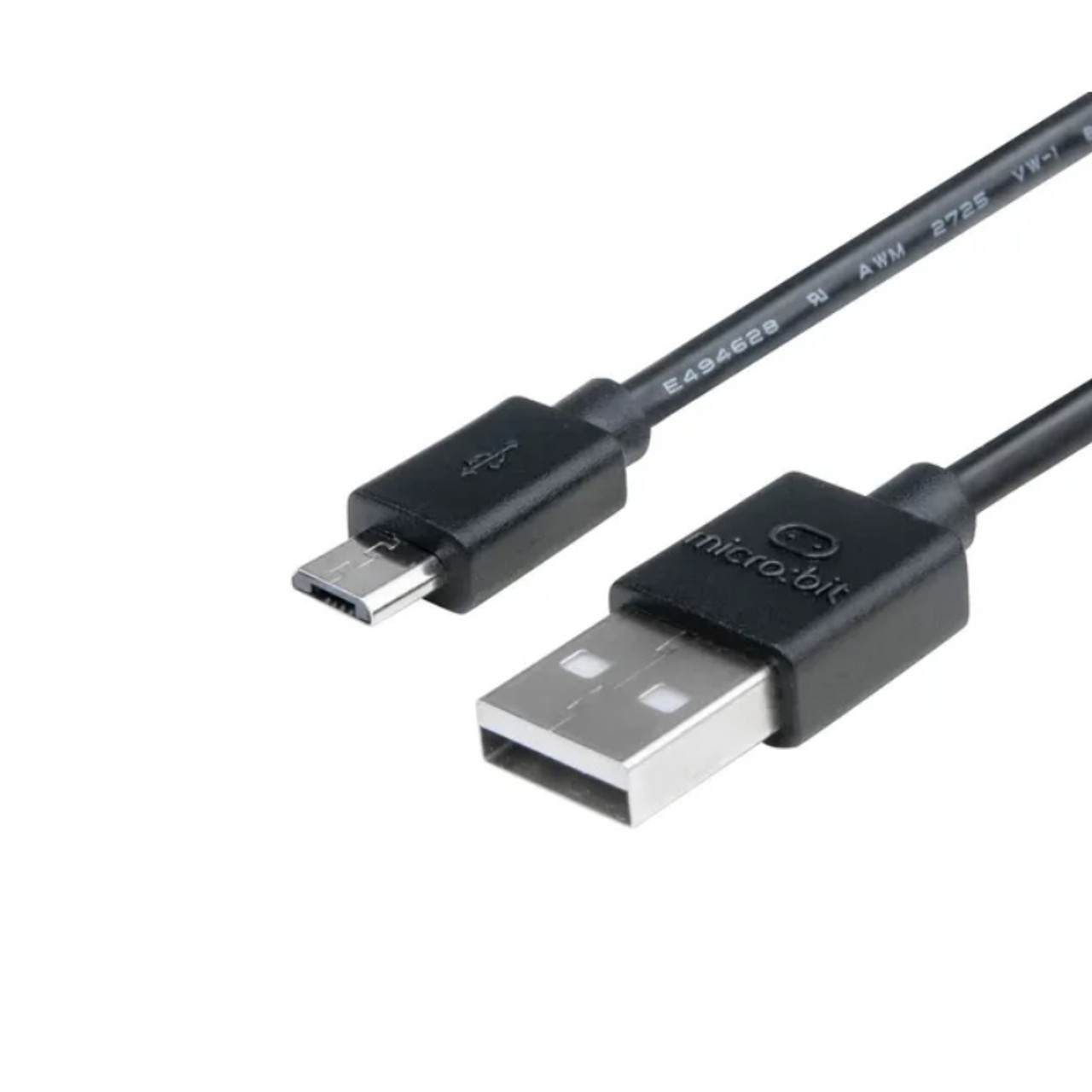
The Evolution of USB: From Type-A to Type-C and Beyond
The Universal Serial Bus, commonly known as USB, has undergone a remarkable evolution since its inception in the mid-1990s. Originally designed to simplify connections between devices, USB Type-A became the standard interface for numerous peripherals, ranging from keyboards to external storage. Over the years, as technology rapidly advanced, various iterations emerged, including USB 2.0 and USB 3.0, enhancing speed and power delivery. However, it was the introduction of USB Type-C that marked a significant milestone in this evolution. With its reversible design, higher data transfer rates, and ability to deliver up to 100 watts of power, USB-C has quickly gained traction across devices, from laptops to smartphones.
As we look beyond USB Type-C, the future of USB technology promises even greater innovations. USB4, announced in 2019, aims to unify standards and increase performance, allowing for data transfer speeds of up to 40 Gbps while maintaining compatibility with previous USB versions. The integration of Thunderbolt 3 functionality into USB4 also signifies a leap forward in usability for professionals and consumers alike. As the demand for seamless connectivity grows, the evolution of USB will undoubtedly continue, paving the way for faster, more efficient technology that caters to the ever-changing needs of users worldwide.
Counter-Strike is a popular tactical first-person shooter that has captivated gamers since its release. The game features 5v5 gameplay, where players assume the roles of either terrorists or counter-terrorists, competing to complete objectives or eliminate the opposing team. Whether you are looking for strategies to improve your gameplay or searching for the Top 10 iPhone charging cables, the Counter-Strike community offers a wealth of resources and support.
Why USB is the Ultimate Solution for All Your Connectivity Needs
In today's fast-paced digital world, connectivity is vital, and USB (Universal Serial Bus) stands out as the ultimate solution for all your connectivity needs. Whether you're connecting your smartphone to a computer, charging your gadgets, or transferring files, USB technology offers unparalleled versatility and ease of use. Its standardized design means that you can use the same cable for multiple devices, eliminating the clutter of various cables and adapters. With advancements like USB-C, users now enjoy faster data transfer rates and the convenience of reversible connectors, making it easier than ever to plug in.
Furthermore, the widespread adoption of USB across devices and brands has made it a universal standard that fosters compatibility. From laptops and printers to cameras and game consoles, USB has become the go-to interface for connection. The ability to daisy-chain devices using USB hubs also enhances productivity, allowing users to connect multiple peripherals simultaneously without the hassle of connecting and disconnecting individual devices. In a world where staying connected is essential, USB truly proves to be an indispensable tool for both personal and professional use.
How to Choose the Right USB Cable for Your Devices
Choosing the right USB cable for your devices can significantly enhance performance and efficiency. USB cables come in various types and specifications, including USB-A, USB-B, Micro USB, and USB-C. Each type serves different purposes, which means it's essential to understand your device's requirements. Start by checking if your device supports a specific type of cable; for instance, newer devices are increasingly adopting USB-C for its fast data transfer capabilities and reversible design. Additionally, consider the cable length, as longer cables may lead to slower charging speeds, especially if they aren't of high quality.
Next, pay attention to the data transfer speed and power output that the cable can handle. USB cables are categorized by their generation—USB 2.0, 3.0, and the latest, USB 3.1. For example, USB 3.0 cables can transfer data at speeds up to 5 Gbps, while USB 3.1 can reach up to 10 Gbps. It's also important to look for reputable brands when purchasing, as quality cables will not only last longer but also ensure safe and efficient charging. To summarize, consider the following factors when choosing a USB cable:
- Device compatibility
- Cable type and length
- Data transfer rates
- Brand reputation