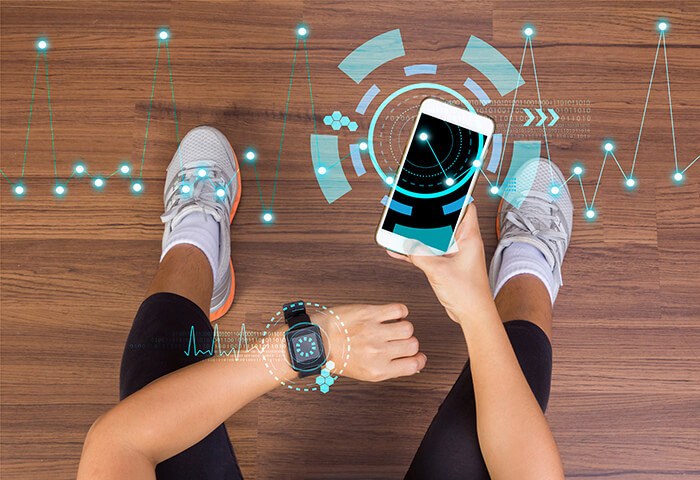
The Evolution of Wearable Tech: From Fitness Trackers to Smartwatches
Wearable technology has dramatically transformed over the past decade, evolving from simple fitness trackers to sophisticated smartwatches that offer a plethora of features. In the early days, devices like the Fitbit captured the fitness market by focusing primarily on activity tracking through pedometers and heart rate monitors. These devices provided users with essential data about their physical activity, motivating them to lead healthier lifestyles. As demand increased, manufacturers began to integrate more advanced functionalities, paving the way for the next generation of wearable devices.
The advent of smartwatches revolutionized the way we interact with technology on our wrists. Beyond tracking fitness metrics, modern smartwatches now boast features such as smartphone notifications, GPS navigation, and personalized health monitoring. Major brands like Apple, Samsung, and Garmin have unveiled devices that seamlessly combine style with functionality, making smartwatches an essential accessory for tech-savvy consumers. As we look to the future, we can expect continuous innovation in wearable tech, further blurring the line between technology and everyday life.
Counter-Strike is a highly competitive first-person shooter that has captivated gamers since its inception. Players engage in tactical gameplay where they can choose to fight as terrorists or counter-terrorists. For those looking to enhance their gaming experience, there are many resources available, including Top 10 Apple Watch Accessories for Runners to keep you motivated during your sessions.
Are Wearable Devices Worth the Hype? Exploring Their Real-World Benefits
In recent years, wearable devices like smartwatches, fitness trackers, and health monitors have gained immense popularity, sparking conversations about their real-world benefits. Many users have reported significant improvements in their health and fitness levels, as these devices often come equipped with features such as heart rate monitoring, sleep tracking, and activity logging. For example, a study indicated that regular use of fitness bands encourages users to increase their physical activity levels by an average of 30%. This shift towards a more active lifestyle demonstrates that wearable technology can be an effective motivator for individuals seeking to enhance their well-being.
Moreover, the convenience of having health data at your fingertips cannot be overstated. Wearable devices often sync seamlessly with smartphones, enabling users to access detailed insights into their daily habits and trends. Features such as reminders for hydration, movement, or even medication can significantly contribute to better health management. While some skeptics question the actual necessity of these devices, the reality is that for many, they represent a powerful tool for self-improvement. Ultimately, the question remains: are wearable devices worth the hype? For numerous users, the answer is a resounding yes, as they integrate seamlessly into daily life, enhancing not just fitness routines, but overall health awareness.
Can Wearable Tech Improve Your Daily Life or Is It Just a Trend?
Wearable tech has surged in popularity over the past few years, with devices like smartwatches, fitness trackers, and smart glasses becoming increasingly common. Many people are now asking, can wearable tech improve your daily life? These devices offer a plethora of features designed to enhance our well-being, from tracking physical activity and monitoring sleep patterns to providing notifications and even managing stress levels. As a result, users can gain valuable insights into their health and lifestyle, helping to inform better decisions and promote healthier habits. For instance, a fitness tracker might motivate you to take a few extra steps each day, while a smartwatch can remind you to stay on top of your schedule, making it a versatile tool for productivity and wellness.
However, it is essential to consider whether this surge in wearable tech is merely a passing trend. Critics argue that the novelty of these devices may overshadow their effectiveness in creating lasting change in daily life. While they may provide immediate benefits, the question remains: can wearable tech improve your daily life in a meaningful way? The answer varies based on individual needs and habits. Some users may find that these gadgets genuinely enhance their routines, while others might abandon them as just another gadget that collects dust. Ultimately, the impact of wearable tech depends on how actively users engage with the technology and incorporate it into their everyday lives.