Exploring the Top 5 T-Shirt Printing Methods: Which One is Right for You?
When it comes to custom apparel, understanding the various t-shirt printing methods is essential for making an informed choice. Each technique comes with its own set of advantages and limitations, catering to different needs and budgets. In this article, we will explore the top 5 t-shirt printing methods to help you determine which one might be the best fit for your project. Whether you're looking for durability, cost-effectiveness, or vibrant colors, there is an option for everyone.
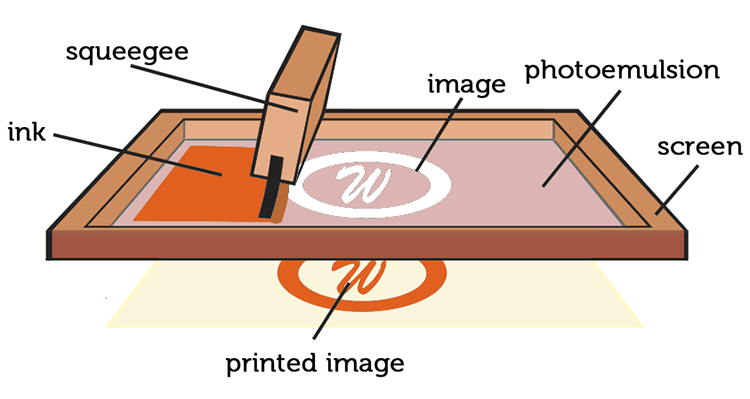
- Screen Printing: This traditional method offers high-quality prints and is ideal for bulk orders.
- Direct-to-Garment (DTG): Perfect for intricate designs and smaller batches, DTG printing allows for detailed images with a soft feel.
- Heat Transfer: Versatile and easy to set up, heat transfer methods are great for single designs but may not be as durable as other options.
- Sublimation: Best for polyester fabrics, sublimation creates stunning, long-lasting prints that are embedded in the fabric.
- Vinyl Cutting: A popular choice for custom designs and lettering, vinyl cutting provides a unique texture but is less suited for detailed imagery.
By understanding these t-shirt printing methods, you can match your design requirements with the right technique, ensuring that your final product not only looks great but also meets your expectations.
If you're a fan of the series, you should definitely check out the hunter x hunter shop for some amazing merchandise! From apparel to collectibles, there’s something for every fan. Don’t miss your chance to grab some unique items that celebrate your favorite characters and adventures!
The Pros and Cons of Screen Printing vs. Direct-to-Garment: A Comprehensive Guide
Screen printing and Direct-to-Garment (DTG) printing are two of the most popular methods for customizing apparel, each with its own distinct advantages and disadvantages. Screen printing is known for its vibrant colors and durability, making it an excellent choice for large orders and designs with fewer colors. It employs a stencil-based method where ink is pressed through a mesh screen onto the material, resulting in a thick layer of ink that adheres well to fabrics. However, this process can be time-consuming and costly for smaller runs due to setup fees and labor. In contrast, DTG printing utilizes inkjet technology to directly apply designs onto the fabric, allowing for intricate details and vibrant color gradients without the need for a lengthy setup process. This makes DTG ideal for small orders and designs with multiple colors, but it may not achieve the same durability as screen printing.
On the flip side, each method has its drawbacks. While screen printing offers impressive longevity and color saturation, it falls short in flexibility, especially when it comes to complex or multi-colored designs. Additionally, the setup process can result in longer turnaround times. On the other hand, DTG may struggle with durability, particularly on fabrics that aren't suited for inkjet printing, and it often has a slower printing speed compared to screen printing. Ultimately, the choice between these two techniques depends on your specific needs—whether you prioritize color vibrancy and durability, or versatility and detail in your designs.
What to Consider When Choosing a T-Shirt Printing Method for Your Design?
When choosing a T-shirt printing method for your design, it is crucial to consider the following factors: the type of fabric and the scale of production. Different printing techniques, such as screen printing and direct-to-garment (DTG) printing, work better on certain fabrics. For example, screen printing is ideal for cotton, providing vibrant colors and durability, while DTG can handle intricate designs on various materials but might not be as cost-effective for large orders. Additionally, assess whether you plan to print in bulk or just a few pieces, as this can significantly impact your choice.
Another key point to evaluate is the level of detail in your design. If your artwork features fine details and a multitude of colors, sublimation printing might be the best option, as it allows for high-definition prints on polyester fabrics. Alternatively, if your design is simpler or consists of fewer colors, screen printing may suffice, providing a cost-effective solution without compromising quality. Lastly, don't forget to factor in delivery timelines and budget constraints, as these can greatly influence your final decision.