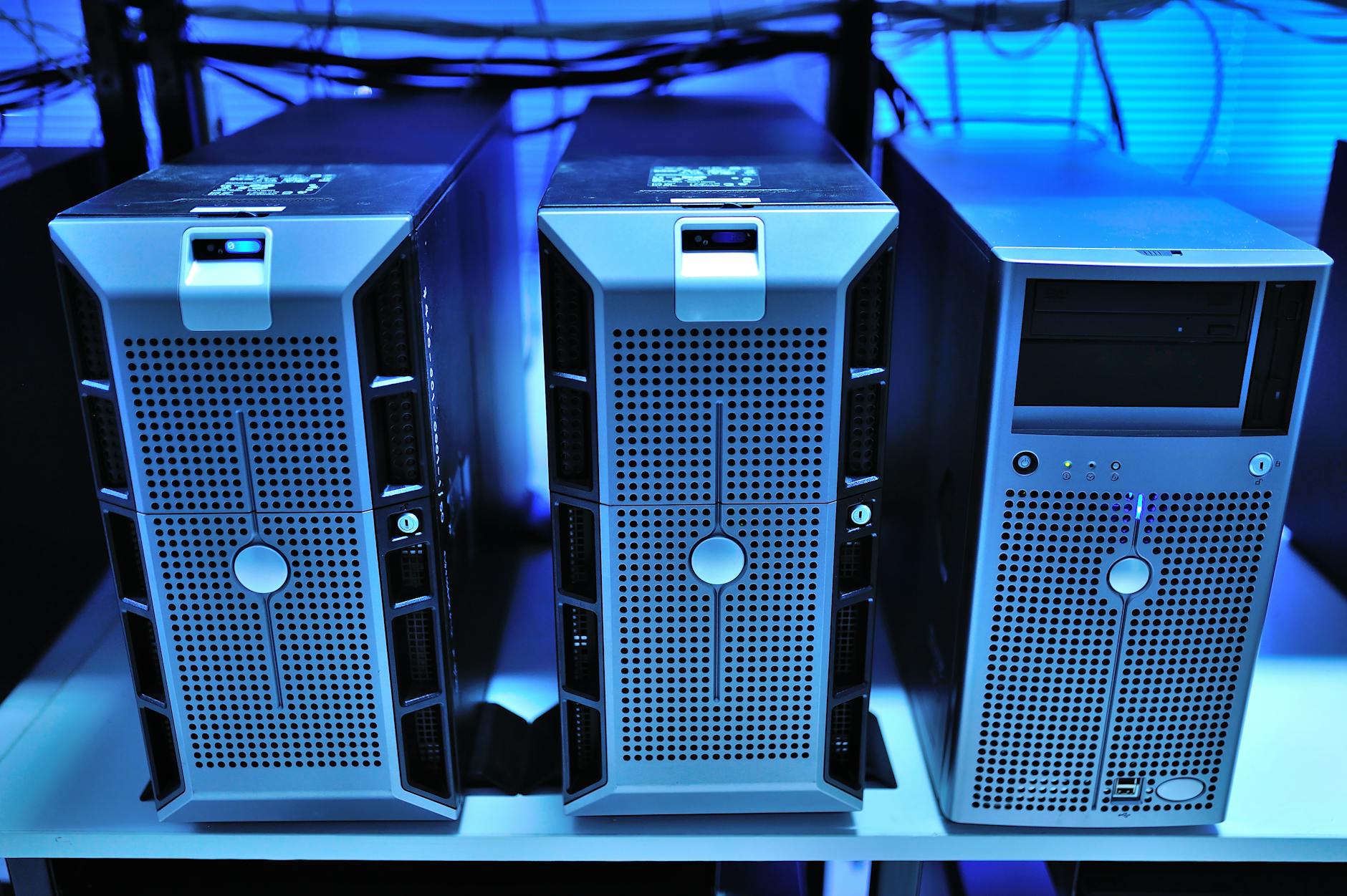
From Bare Metal to Brainpower: Understanding the MCP Ecosystem for AI Agents
The journey from foundational hardware to sophisticated AI cognition within the Microsoft Cloud for Healthcare (MCP) ecosystem is a fascinating one, particularly for AI agents. At its core, this involves leveraging a robust infrastructure that begins with bare metal servers and extends all the way to advanced cognitive services. AI agents operating within the MCP don't just exist; they thrive by tapping into a rich tapestry of resources. This includes access to specialized hardware like GPUs and TPUs for intensive model training, scalable storage solutions for vast datasets, and secure networking that underpins real-time data exchange. Understanding this progression is crucial for optimizing agent performance, ensuring data privacy, and ultimately, delivering reliable and ethical AI solutions in a highly regulated industry like healthcare. It's about building intelligence from the ground up, with every layer designed to support the complex demands of medical AI.
Transitioning from the hardware foundation, the MCP ecosystem imbues AI agents with genuine 'brainpower' through its comprehensive suite of platform services. This isn't merely about running code; it's about providing the tools and frameworks that enable agents to learn, reason, and make informed decisions. Key components include:
- Azure Machine Learning: For building, training, and deploying AI models at scale.
- Cognitive Services: Offering pre-built APIs for vision, speech, language understanding, and more, accelerating agent development.
- Azure Data Services: Providing secure and scalable solutions for managing and analyzing healthcare data, crucial for agent insights.
- Security and Compliance Tools: Ensuring adherence to stringent healthcare regulations like HIPAA and GDPR.
By leveraging these integrated services, AI agents within the MCP can evolve from simple rule-based systems into sophisticated, adaptive entities capable of tackling complex healthcare challenges, from predictive diagnostics to personalized treatment recommendations.
The Google News API provides developers with programmatic access to a vast collection of news articles from various sources. It allows for the retrieval of news headlines, full articles, and other related information, making it an invaluable tool for applications requiring up-to-date news content. Developers can filter and customize their news feeds, enabling the creation of tailored news experiences for their users.
Optimizing Your AI Agent's Foundation: Practical Tips and FAQs on MCP Server Management
The foundational health of your AI agent directly correlates with the robust management of its underlying Minecraft Protocol (MCP) server. To truly optimize performance and minimize downtime, proactive server maintenance is paramount. This isn't just about resource allocation; it involves understanding Java Virtual Machine (JVM) arguments, optimizing garbage collection, and configuring appropriate memory limits (e.g., -Xmx and -Xms flags) to prevent out-of-memory errors that can cripple your agent. Furthermore, regularly reviewing server logs, implementing automated backups, and setting up intelligent monitoring systems are crucial. Consider using tools that provide real-time insights into CPU usage, RAM consumption, and network traffic. A well-tuned MCP server ensures your AI agent has the stable environment it needs to process information, learn, and execute tasks without interruption, leading to more reliable and efficient operations.
Beyond initial setup, ongoing management of your MCP server involves a series of best practices and addressing common FAQs. One frequent concern is latency and connectivity issues; these often stem from network configuration rather than the server itself. Ensure your firewall rules are correctly configured and consider using a dedicated IP address. Regular updates to the Minecraft server software are also essential for security patches and performance improvements, but always test updates in a staging environment first. For those running multiple agents, virtualizing your server environment or utilizing containerization technologies like Docker can significantly improve resource isolation and scalability. Don't underestimate the power of a well-documented server management plan, including incident response procedures and a clear understanding of your hardware limitations, to ensure your AI agent's foundation remains solid and responsive.